August 28, 2026
Septic systems are an important part of wastewater management for many homes, particularly in rural and suburban areas without access to municipal sewer systems. Despite their widespread use, septic systems are often surrounded by misconceptions about how they operate, how much maintenance they require, and what homeowners can do to protect them.
According to This Old House, roughly 25% of American households use a septic system. That means millions of homeowners rely on these systems every day, making it important to understand what they need to function properly. Knowing the facts can help homeowners avoid preventable problems, unnecessary expenses, and premature system failure.
Whether you have lived with a septic system for years or recently purchased a home with one, understanding its basic needs is valuable. An affordable plumber can also provide practical guidance when questions or problems arise.
How Do Septic Systems Really Work?
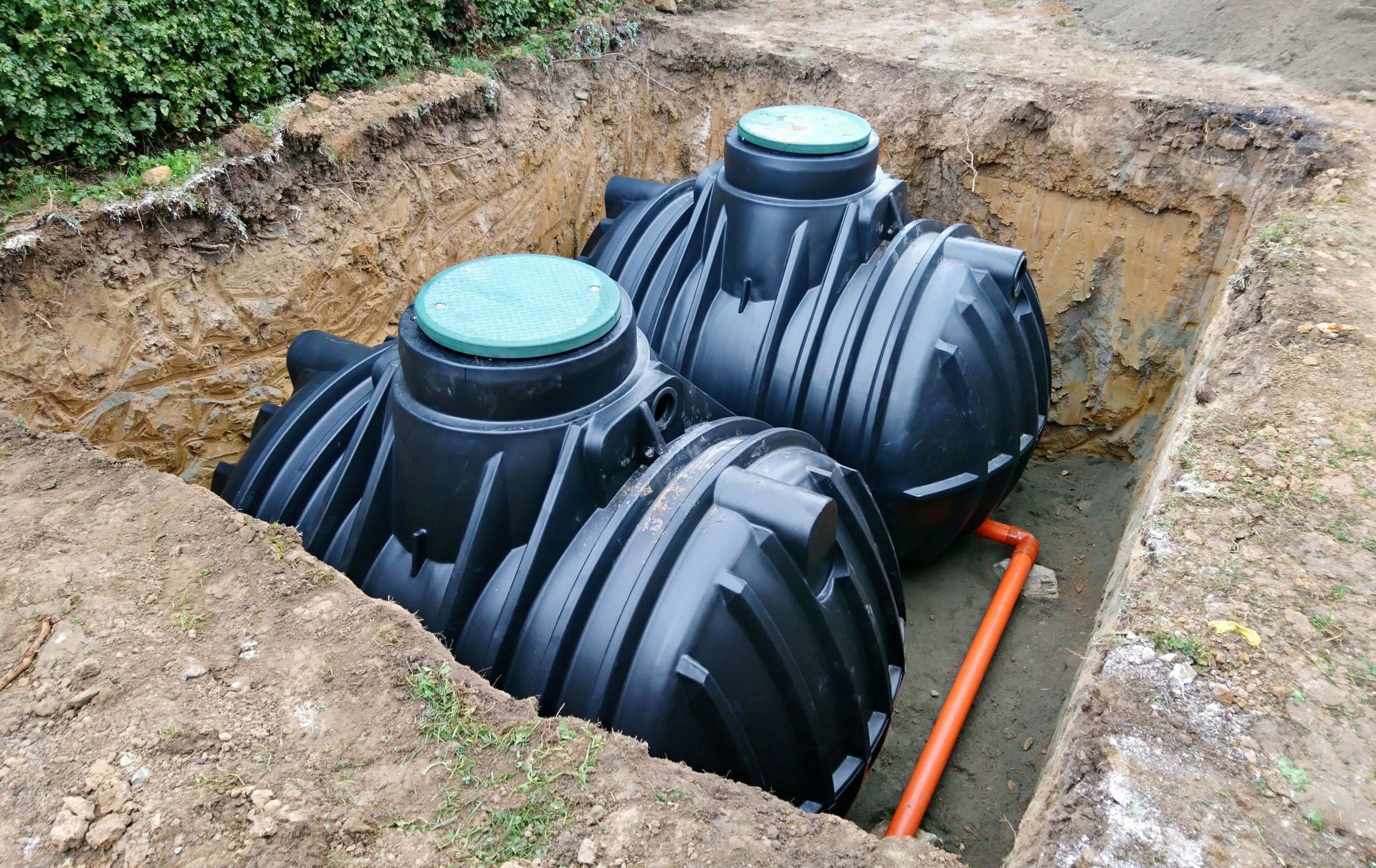
One common misconception is that a septic system simply stores all household wastewater indefinitely. In reality, it is designed to treat wastewater and allow liquid effluent to gradually move into a drainfield.
When wastewater leaves the house, it flows into the septic tank. Inside the tank, heavier solids settle toward the bottom as sludge, while lighter materials, such as grease, float to the top and form a scum layer. The liquid wastewater remains between these layers.
Naturally occurring bacteria help break down some of the organic material inside the tank. The partially treated liquid then leaves the tank and enters the drainfield, where it is distributed into the surrounding soil. The soil provides additional filtration and treatment before the water moves farther into the ground.
Another misconception is that septic systems are maintenance-free. Although they operate without constant attention, they still require regular care. A homeowner who has questions about the system can consult an affordable plumber to better understand its components and maintenance requirements.
Is Regular Maintenance Necessary and Who Should Perform It?
Some homeowners assume that a septic system only needs attention when something goes wrong. Waiting for a problem, however, can allow small issues to become much more expensive repairs.
Regular septic tank pumping is one of the most important maintenance tasks. The appropriate pumping interval varies depending on factors such as household size, tank capacity, wastewater volume, and the amount of solids entering the system. A qualified professional can evaluate these factors and recommend an appropriate schedule.
Homeowners should also pay attention to the area around the drainfield. Heavy vehicles, structures, and other substantial loads can damage the system or interfere with the soil's ability to absorb wastewater. Keeping the drainfield clear and protecting it from unnecessary traffic can help support proper operation.
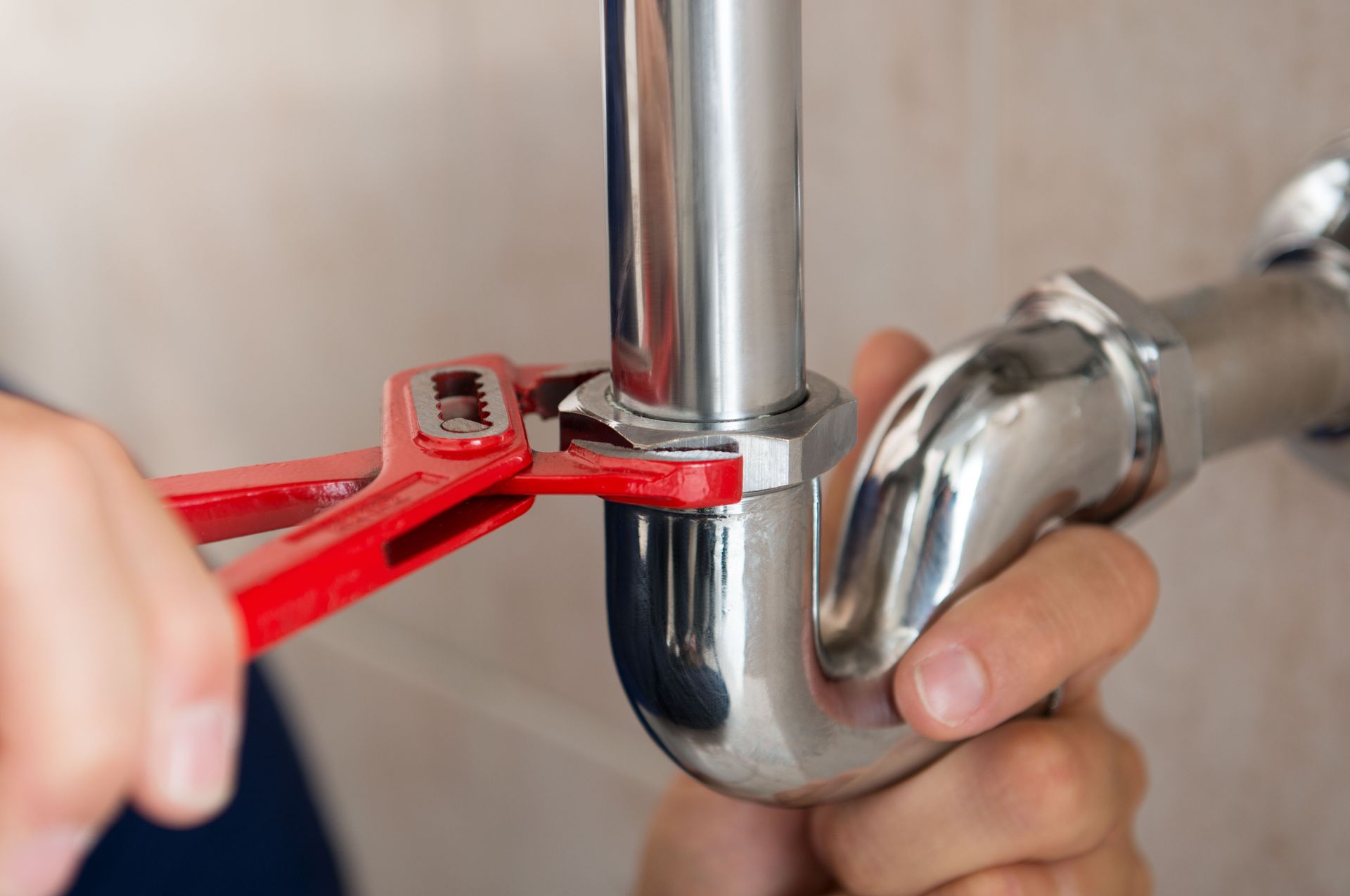
Although septic pumping may be handled by a dedicated septic professional, an affordable plumber can be useful for household plumbing issues that affect the septic system. For example, a plumber can identify leaks, inefficient fixtures, drainage problems, or other plumbing conditions that may increase the amount of wastewater entering the tank.
Can Household Cleaners Harm My Septic System?
The idea that every household cleaner will destroy a septic system is another common misconception. Septic systems are designed to accommodate ordinary household wastewater, and occasional use of common cleaning products does not automatically mean a system will fail.
However, excessive amounts of certain chemicals can interfere with the biological activity that helps break down organic matter in the tank. Large quantities of harsh disinfectants, drain cleaners, solvents, and other chemicals can potentially create problems.
Homeowners should therefore follow product instructions and avoid pouring unnecessary chemicals down drains. Products should never be disposed of through household plumbing simply because they are liquid.
An affordable plumber may recommend using septic-safe cleaning products when practical and limiting the amount of harsh chemicals introduced into the wastewater system. The goal is not necessarily to eliminate every conventional household cleaner but to avoid excessive chemical use and improper disposal.
Water consumption also matters. Large volumes of wastewater entering a septic system in a short period can place additional strain on the drainfield. Fixing dripping faucets and running toilets, using water-efficient fixtures, and spreading laundry throughout the week can help reduce unnecessary demand.
How Can I Extend the Life of My Septic System?
A septic system can provide reliable service for many years when homeowners take reasonable steps to protect it. One of the simplest strategies is to avoid treating toilets and sinks like trash cans.
Only appropriate toilet paper and human waste should generally be flushed. Items such as wipes, paper towels, feminine hygiene products, grease, and other materials can create plumbing or septic problems.
Kitchen grease deserves particular attention. Pouring fats, oils, and grease down a drain can contribute to blockages in household plumbing and potentially introduce additional solids into the septic system. Allowing grease to cool and disposing of it properly is a better approach.
Water conservation can also benefit a septic system. Repair plumbing leaks promptly and consider high-efficiency fixtures where appropriate. Reducing unnecessary water use gives the drainfield more opportunity to absorb wastewater effectively.
It is also wise to keep records of septic inspections, pumping, repairs, and other service. These records can help homeowners understand the history of the system and make informed decisions about future maintenance.
An affordable plumber can also inspect household plumbing for problems that may indirectly affect septic performance. Addressing leaks and drainage issues early can prevent unnecessary stress on the system.
What Are the Signs of a Failing Septic System?
Septic problems do not always appear suddenly. In many cases, homeowners notice warning signs before a major failure occurs. Slow drains throughout the home, unpleasant odors, unusually wet areas near the drainfield, or sewage surfacing in the yard can all indicate that something needs attention.
Gurgling plumbing fixtures may also signal drainage problems. In some cases, wastewater may begin backing up into sinks, tubs, or other fixtures. These symptoms should not simply be ignored or treated with repeated applications of chemical drain cleaner.
Changes around the drainfield can provide additional clues. Areas that remain unusually wet or develop unusually lush vegetation may indicate that wastewater is not being distributed properly underground.
Not every slow drain or unpleasant odor means the entire septic system is failing. A localized plumbing blockage, damaged pipe, or other issue could be responsible. That is why having the problem evaluated is important.
Calling an affordable plumber when warning signs first appear can help determine whether the problem involves household plumbing, the septic tank, or another part of the wastewater system. A septic professional may also be needed depending on the issue.
Many septic system misconceptions come from treating these systems as either completely maintenance-free or extremely fragile. The reality falls somewhere in between. Septic systems are designed to handle household wastewater, but they require reasonable care and responsible use.
Homeowners can protect their systems by scheduling appropriate maintenance, conserving water, avoiding improper waste disposal, limiting excessive chemical use, and watching for warning signs. Understanding how the tank and drainfield work also makes it easier to recognize when something may be wrong.
When questions arise, homeowners do not have to rely on guesswork. An affordable plumber can help identify household plumbing problems and provide guidance about practices that may affect septic performance. For specialized septic maintenance, homeowners should also work with qualified septic professionals.
By separating facts from misconceptions and addressing small problems early, homeowners can take better care of their septic systems and potentially avoid costly repairs caused by neglect. If you need septic repairs, reach out to VOR-TEX PLUMBING CO today!