April 28, 2026
Household leaks aren't only a nuisance but can also lead to significant damage and costly repairs if not addressed promptly by a plumber. Understanding their common causes and learning how to prevent them can save you time, money, and stress. Let's explore the most prevalent sources of leaks in homes and offers practical solutions to stop them.
1. Leaky Faucets
Identifying Signs of a Problematic Faucet
Leaky faucets are a frequent issue in households and can often be identified by persistent drips or puddles forming around the sink. One of the first signs of a leaky faucet is the constant sound of dripping water, which can be both annoying and costly if left unattended. The presence of water stains around the base of the faucet or sink area is another indication. Additionally, you may notice a sudden increase in your water bills without any change in consumption habits. Even if the leak is minor, it can waste a significant amount of water over time, contributing to the average home leakage of about 10,000 gallons per year, according to This Old House.
Common Causes of Faucet Leaks
There are several common causes for leaky faucets, including worn-out washers, damaged O-rings, and corroded valve seats. Washers are small rubber discs found in compression faucets, and over time, constant use can cause them to wear out, resulting in leaks. O-rings are used to seal various parts of the faucet, and damages to these components can lead to leaks. In the case of corroded valve seats, mineral buildup from hard water can cause deterioration over time. It's essential for homeowners to regularly inspect these components to prevent potential leaks.
Step-by-Step Guide to Fixing a Leaky Faucet
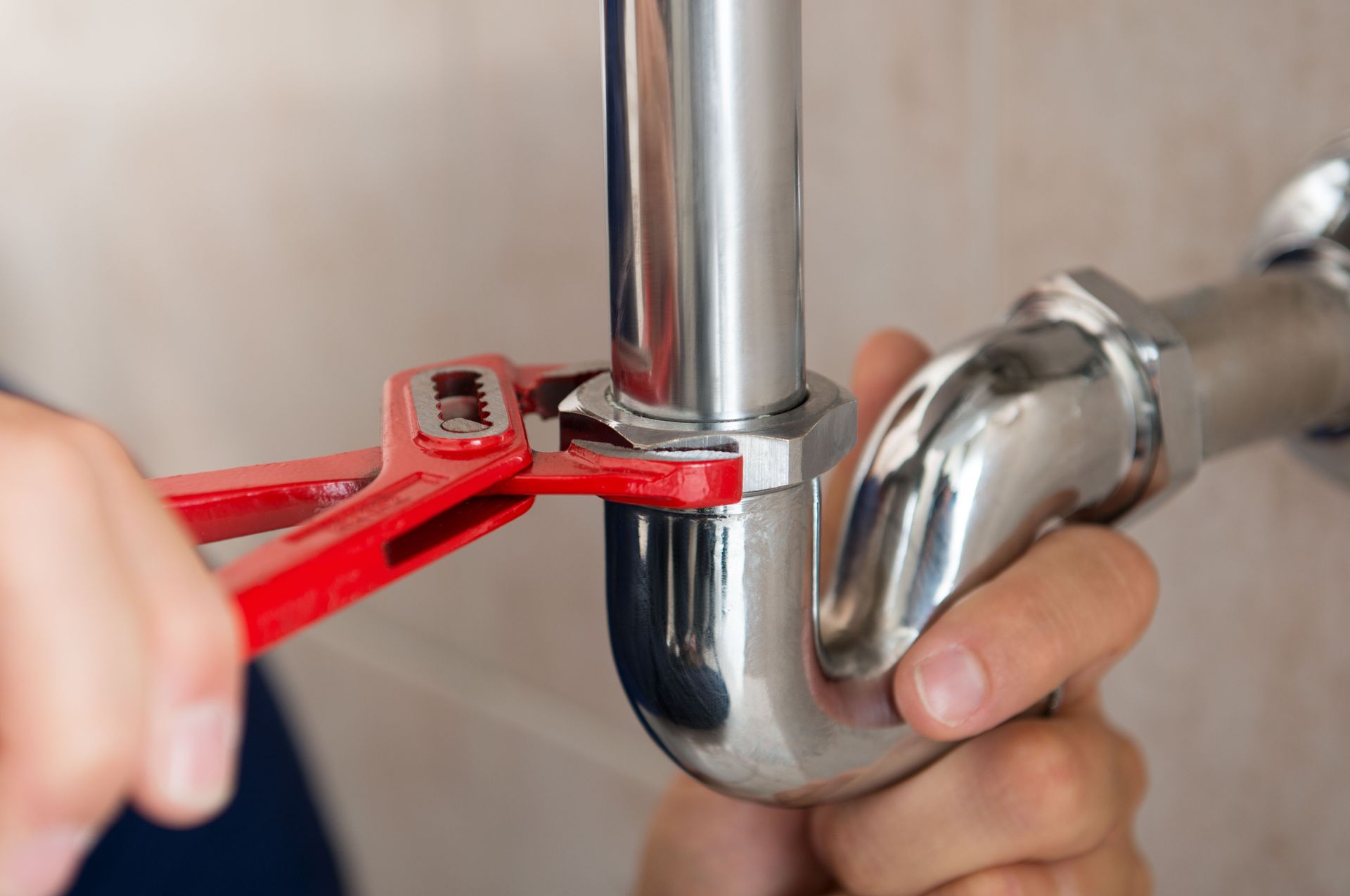
Fixing a leaky faucet is a straightforward process that can be done in just a few steps. First, turn off the water supply to the faucet to prevent water from spilling during repairs. Next, remove the handle of the faucet using a screwdriver and dismantle the faucet until you reach the problematic washer or O-ring. Replace the worn or damaged part with a new one, ensuring it's the appropriate size for your faucet. Reassemble the faucet and turn the water supply back on to check for any remaining leaks. By taking these simple measures, problems such as worn washers or damaged O-rings can be effectively addressed, helping reduce household water waste.
Long-Term Solutions for Faucet Maintenance
Regular maintenance can prevent many faucet-related issues. Homeowners should periodically check for signs of wear and replace parts such as washers and O-rings before they fail. Additionally, cleaning faucet components to remove mineral build-up can extend their lifespan and performance. It's advisable to know the model and type of your faucets, as having spare parts on hand can expedite repairs. By adopting a proactive approach to maintenance with the help of a plumber, frequent leaks can be avoided, ensuring efficient water usage and lowering potential repair costs.
2. Dripping Shower Heads
Recognizing Symptoms of a Dripping Shower Head
Just like faucets, shower heads can develop drips that contribute to increased water wastage and utility bills. Audible drips or visible water trickling down the shower head when it is turned off are clear signs of a problem. You might also notice water pooling on the shower floor or a wet spot on the wall beneath the shower head. Constant dripping can lead to the accumulation of limescale and other mineral deposits. Addressing these symptoms early on can curb unnecessary water usage and prevent potential damage to bathroom surfaces.
Underlying Reasons for Shower Head Leaks
Several factors can lead to shower head leaks, including a worn-out washer, a damaged O-ring, or a faulty shower head itself. Over time, the washers and O-rings inside the shower head can degrade, causing leaks. Scale or mineral buildup from hard water clogging the shower head can also create an uneven water flow, leading to leaks. In some cases, the leak may be internal, resulting from a cracked surface or poor initial installation. Understanding these causes can help in diagnosing the problem accurately and applying the correct solution.
Preventive Measures for Long-Lasting Shower Heads
Proactive measures can prolong the lifespan of your shower head and ensure its efficiency. Cleaning the shower head regularly helps to prevent mineral deposits and build-up, which can cause uneven water flow and leaks. Using water-softening agents or filters can significantly reduce the impact of hard water. Regularly replacing parts such as washers and O-rings ensures continued performance and prevents leaks. These steps not only prolong the life of the shower head but also support reduced water consumption and decrease the risk of additional household leaks.
3. Running Toilets
How to Detect a Running Toilet
Running toilets can considerably increase water usage, leading to higher water bills. Typically, a running toilet will make a constant sound of flowing water, even when not in use. Another indicator is the occurrence of phantom flushes, where the toilet refills on its own. Checking the water level in the tank can reveal clues, as a level too high or low may point to a faulty fill valve. An examination of the flapper valve inside the tank to ensure it is sealing properly is also beneficial for accurate leak detection.
Root Causes of Toilet Leaks
Several factors can lead to a running toilet, with a damaged or worn-out flapper being the most common culprit. Over time, the flapper can become brittle or deformed, preventing it from effectively sealing the flush valve. Misaligned fill valves or improperly adjusted float arms can also cause water to spill into the overflow tube, leading to continuous water flow. In some cases, worn-out seals or corroded components within the toilet tank contribute to leaks. Identifying the specific cause with the help of a plumber is crucial to implementing the appropriate corrective action.
Simple Fixes to Stop a Running Toilet
Addressing a running toilet can often be accomplished with simple adjustments and replacements. Start by shutting off the water supply and flushing the toilet to empty the tank. Inspect the flapper, replacing it if it's visibly damaged or no longer flexible. Adjust the fill valve and float arm to ensure the proper water level. These changes can significantly reduce water waste, contributing to reduced household leakage. Reassemble the components, restore the water supply, and test the toilet to confirm that the issue has been resolved effectively.
Ensuring Toilet Efficiency and Leak Prevention
Regular maintenance can ensure the reliability and efficiency of toilet components. It's advisable to routinely check for signs of wear and ensure the correct operation of the fill and flush mechanisms. Keeping the toilet tank free of mineral deposits by regular cleaning prevents build-up that can affect functionality. Consider upgrading to modern, water-efficient toilets that use less water per flush and offer enhanced reliability. By consistently applying these measures, the occurrence of leaks can be minimized, promoting efficient water usage throughout the household.
Preventing and addressing household leaks is essential for maintaining a safe and efficient living environment. By understanding these common causes and implementing the solutions provided, you can significantly reduce the risk of leaks and the potential damage they can cause. Regular maintenance and timely repairs from a plumber at VOR-TEX PLUMBING CO will help ensure the longevity and reliability of household fixtures and systems. Reach out to us today to get started!